Building AI Capacity Between Beijing and Washington: The Gulf's China Strategy
AMERICAN POLITICAL SCIENCE ASSOCIATION MENA POLITICS
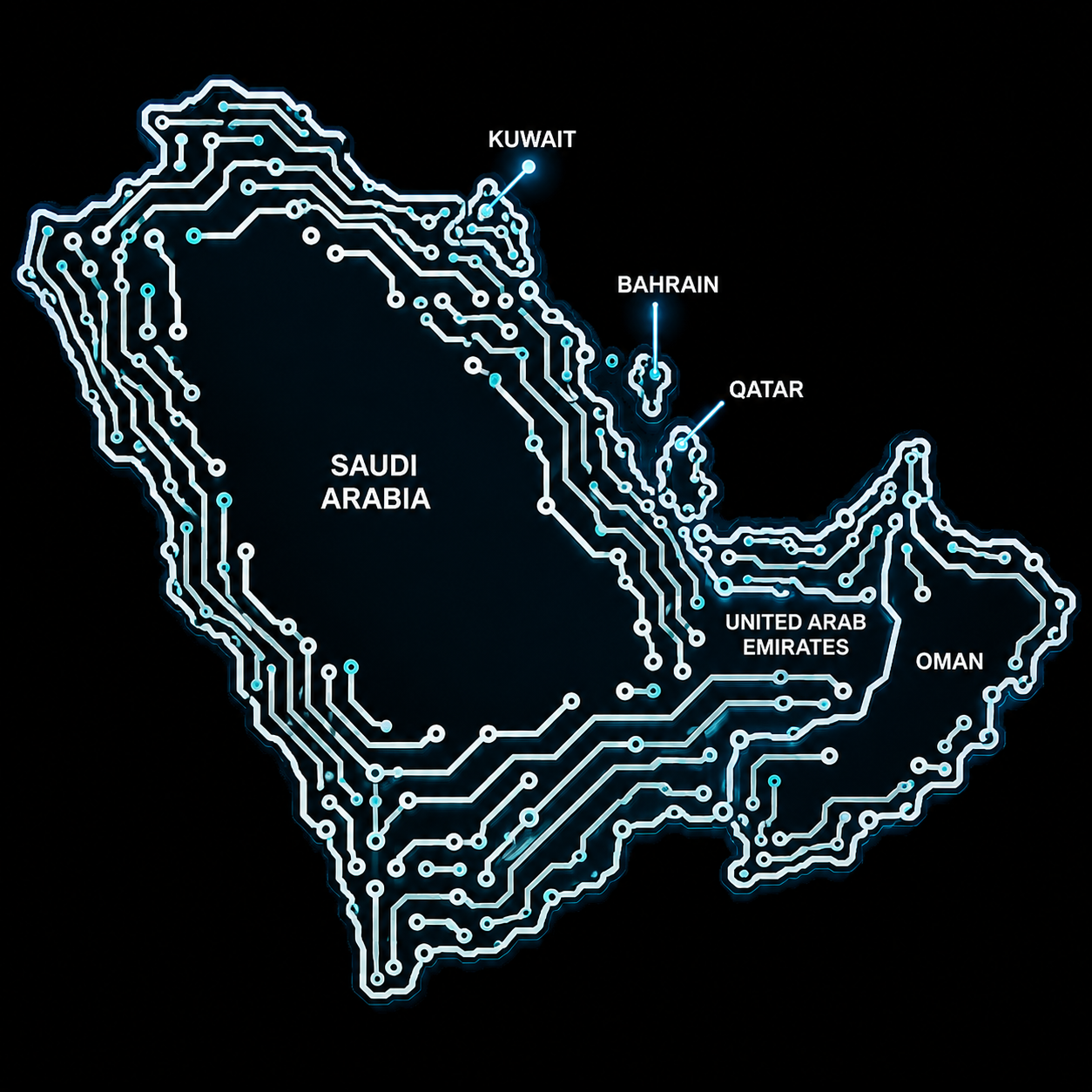
What defines cooperation between China and the Gulf Cooperation Council (GCC) states in high-value technologies such as artificial intelligence (AI)? What drives it, and what are its likely consequences? Set against intensifying US–China rivalry—between the world’s two largest economies and leading AI powers—how are Gulf states, long-standing US security partners, managing the pressure?
The evidence points to strategic hedging. Gulf governments are not aligning exclusively with either Washington or Beijing when it comes to AI. Instead, they are seeking to maximize economic and technological opportunity while limiting political and security exposure. This reflects the national interests and motivations of these governments regarding AI, along with the extent to which they have advanced in developing a deeper and more expansive AI capacity. Moreover, these efforts do not operate in a vacuum, but must also take into account the two models of corporate autonomy and state strategy offered by the US and China. In the US case, it is a market-led approach in which big tech companies have scaled up innovations from venture capital-funded AI labs. Meanwhile, the Chinese model is one where the state has a greater role in directing and coordinating national corporations in technology transfer and AI.
…
TO READ THE ARTICLE, CLICK HERE.
