Iran war escalates as Houthis threaten to sever Saudi oil exports
SOUTH CHINA MORNING POST
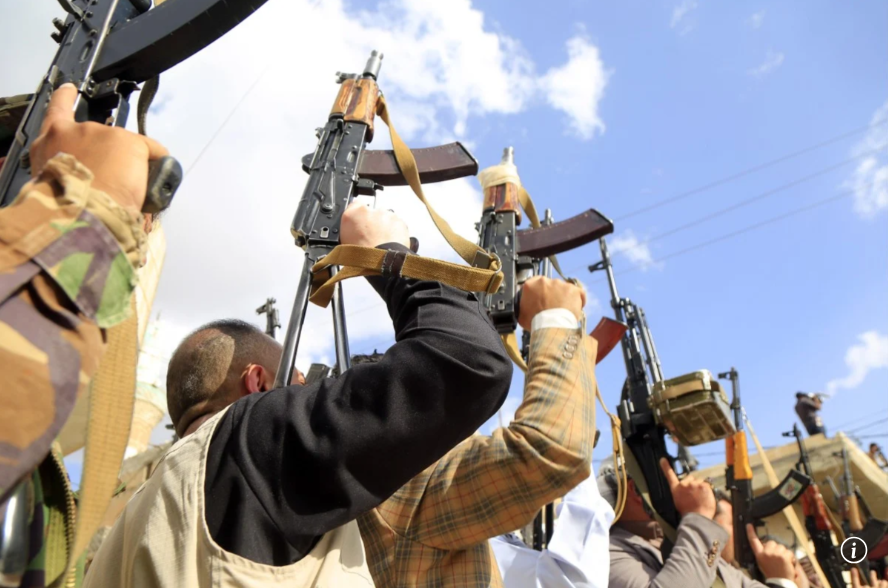
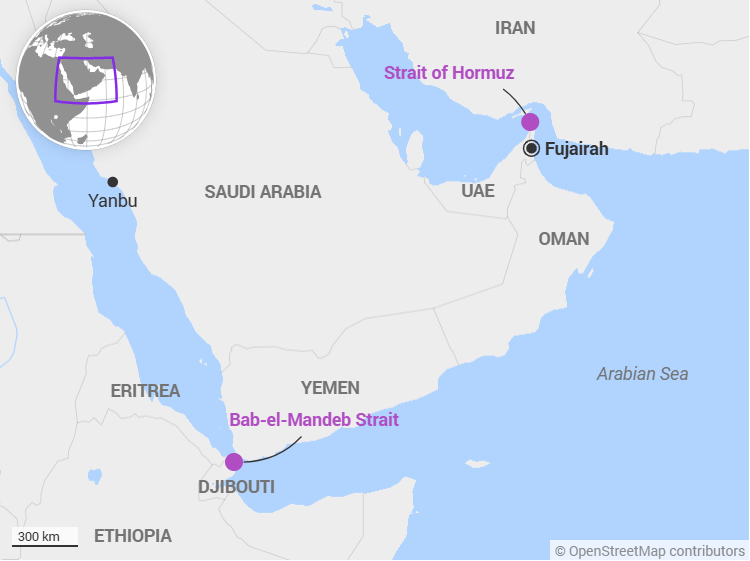
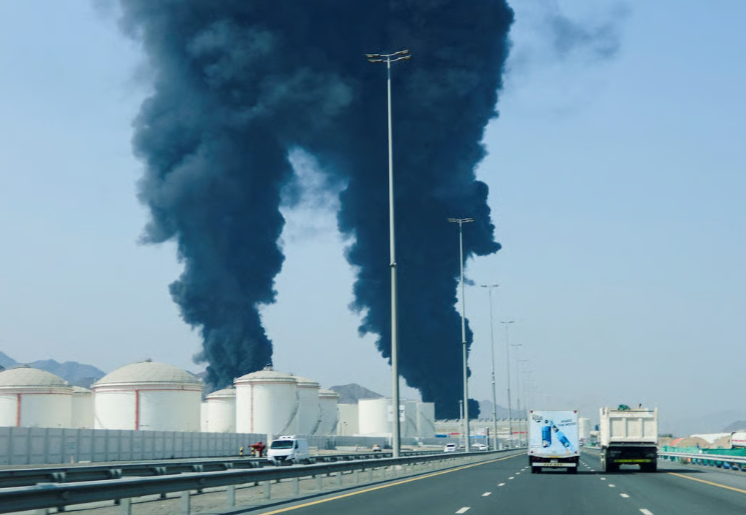
Yemen’s Tehran-aligned Houthi movement has threatened to besiege a second key Middle East waterway as Iran launched drone attacks against US Navy vessels in the Strait of Hormuz over the weekend after a diplomatic effort to end the war appeared to collapse.
A closure of the Bab el-Mandeb Strait, which connects the Red Sea to the Indian Ocean, would effectively sever Saudi Arabia’s only remaining oil export route.
The kingdom has been shipping up to 7 million barrels of crude per day through the Red Sea port of Yanbu since its main Gulf export terminal at Ras Tanura – the world’s largest – was shut down by the Iran conflict.
…
Brussels-based academic Guy Burton, author of China and Middle East Conflicts: Responding to War and Rivalry from the Cold War to the Present, noted that the Houthis had already shown their capability and willingness to target shipping in the Red Sea, following the outbreak of the Israel-Gaza war in 2023.
“Their actions showed a degree of selectivity”, with some vessels, particularly those linked to China, largely left alone, while Western-linked ships bore the brunt of Houthi attacks.
This suggested that any renewed disruption in the Bab el-Mandeb Strait could be “calibrated rather than indiscriminate”, Burton said.
…
According to Burton, one of three outcomes was likely in the coming days.
First, the US could escalate militarily, which would mean “moving beyond the current limited deterrence in its blockade towards restarting the war and undertaking a more sustained operational presence in the Gulf than before”. In that case, Iran was unlikely to concede quickly, leading to a protracted conflict.
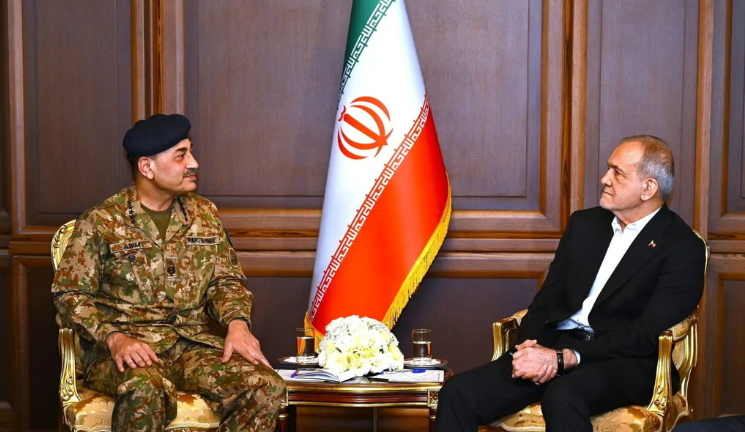
Second, the Pakistan-mediated diplomacy could gather momentum, with Burton describing this route as “weak in its current form” because of mistrust between Iran and the Trump administration.
Third, the US could disengage from the conflict, although “it would not be a simple or clean option”. An American withdrawal would leave Iran with “greater freedom” to shape the subsequent security environment in the Strait of Hormuz, which would alarm Gulf states and likely worsen regional tensions.
“Taken together, these constraints point to diplomacy as the least bad option – but also the most difficult to implement,” Burton said.
Neither the US nor Iran appeared willing to make the concessions necessary for meaningful progress. A decisive military outcome was thus “theoretically possible, but only at the cost of a far more extensive escalation than Washington is likely to accept”.
TO READ THE WHOLE ARTICLE, CLICK HERE.
