Hormuz deal presses pause on Iran conflict, but fears of ‘forever war’ remain
SOUTH CHINA MORNING POST
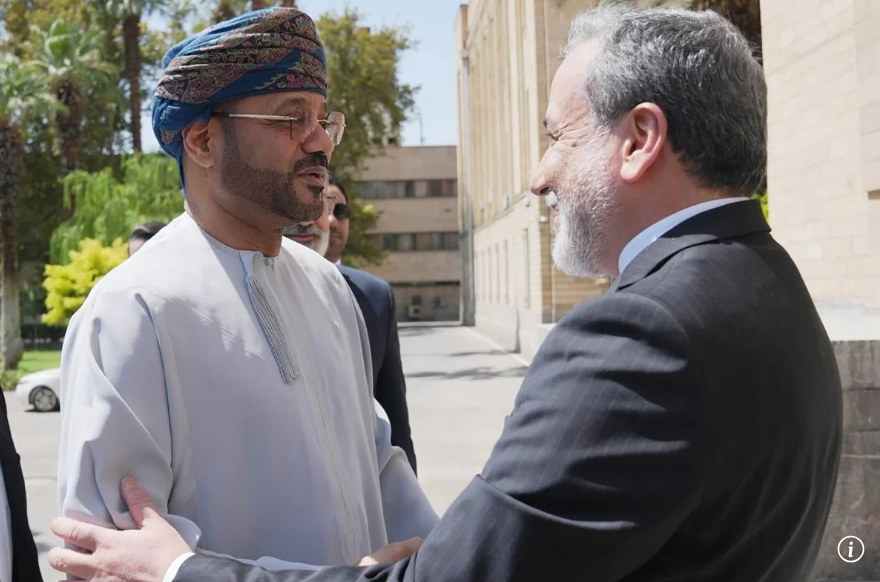
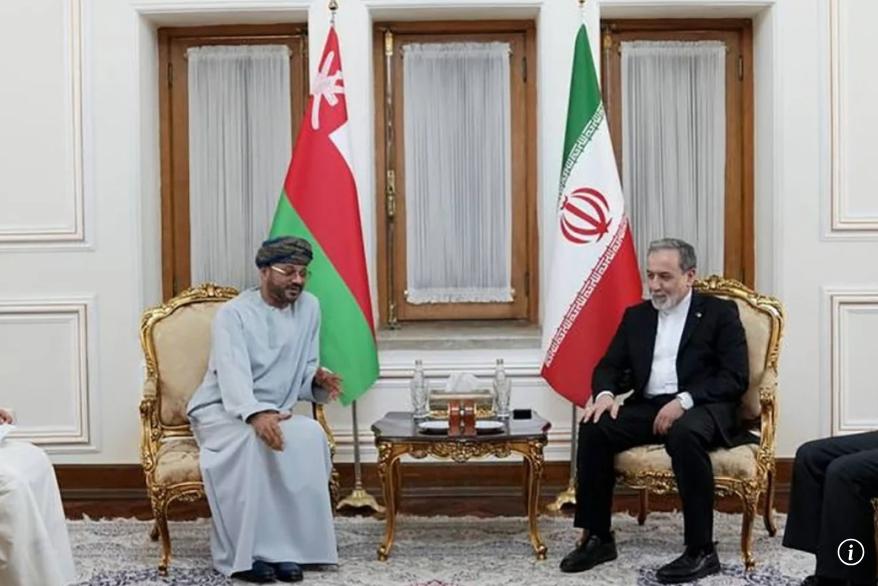
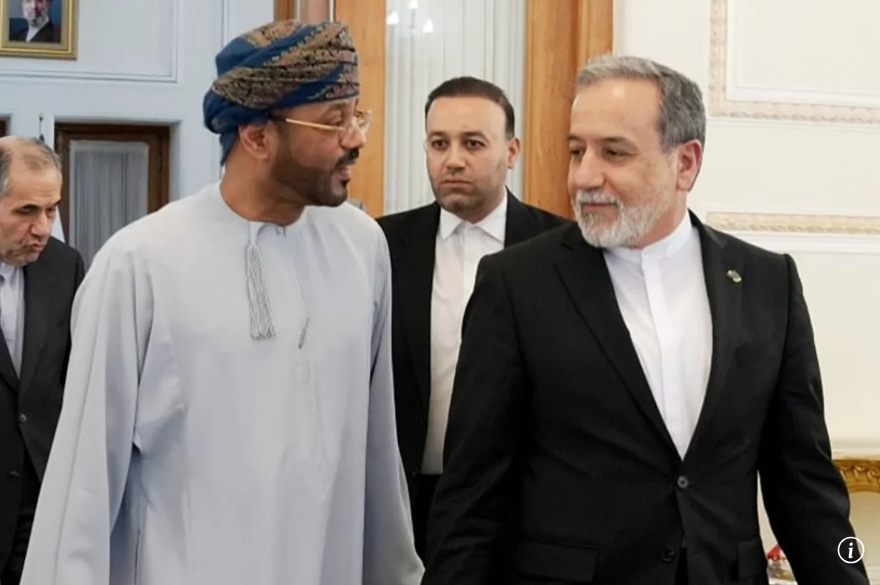
A diplomatic push by Oman, Pakistan and Qatar is widely expected to yield another pause in the Iran conflict, but there remains little prospect of a stop to what analysts fear has already become a “forever war”.
On Monday, Iran and Oman agreed in principle to a temporary maritime route for ships travelling through the Strait of Hormuz. This could lead to the easing of the tit-for-tat blockades imposed by Iran and the US if President Donald Trump’s administration accepts it.
Regional mediators frame it as part of a “phased” process of confidence-building measures envisioned under the Islamabad Declaration, signed by both sides in June.
Analysts, however, are sceptical about the chances of a breakthrough, saying the mediation efforts are primarily aimed at preventing a feared region-wide escalation.
…
Rhetoric notwithstanding, it appeared from the comments by Trump and Bessent that the US “is pivoting away from threats of renewed military action to a new phase of economic pressure”, said Kristian Coates Ulrichsen, Middle East fellow at Rice University’s Baker Institute for Public Policy.
This corresponds with the overall ebb and flow of the conflict, now at its six-month point, according to Guy Burton, author of China and Middle East Conflicts.
“We have seen a recurring pattern of military confrontation followed by periods of deliberation, dialogue and diplomatic outreach,” the Brussels-based academic said, calling it a “forever war” in which military action and diplomacy occur simultaneously.
Instead of a resolution, a pause “may simply represent another period in which both sides reassess their positions before the next round of confrontation”, he said.
…
Burton, who has taught international relations at universities in Iraq, the United Arab Emirates and the West Bank, agreed that Iran “appears increasingly interested not simply in surviving the conflict but in imposing political costs on Trump”.
If Tehran can give Trump “a sufficiently visible ‘bloody nose’”, it may calculate that this will damage his political standing and potentially the Republican brand ahead of the midterms.
This suggests there may be “little incentive for Trump to make a major strategic concession” like conceding control of Hormuz under the Iran-Oman framework before the elections. US economic pressure and military action were “likely to coexist for some time”, Burton added.
Washington was effectively “putting multiple instruments on the table in the hope that one of them will eventually create a viable diplomatic off-ramp”, Burton said. The danger was that, without a clear political settlement, this would produce an intermittent conflict and economic confrontation that “is not quite a conventional war, but not peace either”.
…
TO READ THE FULL ARTICLE, CLICK HERE.
