Can Saudi Arabia’s 2034 Fifa World Cup survive the Middle East’s escalating wars?
SOUTH CHINA MORNING POST
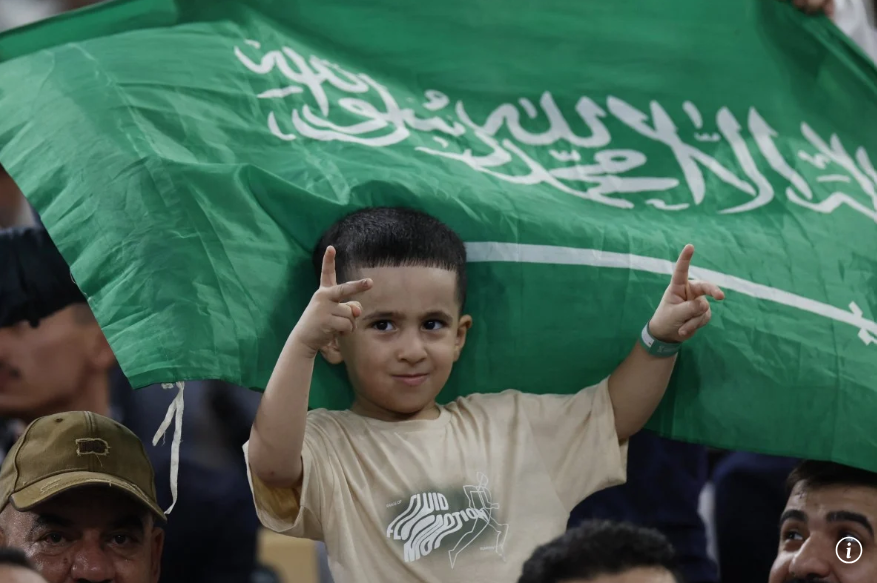
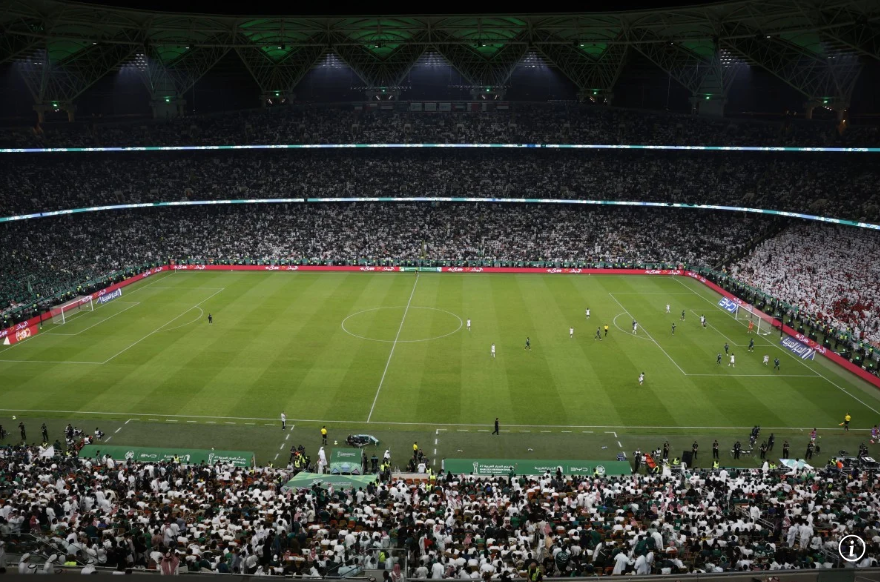
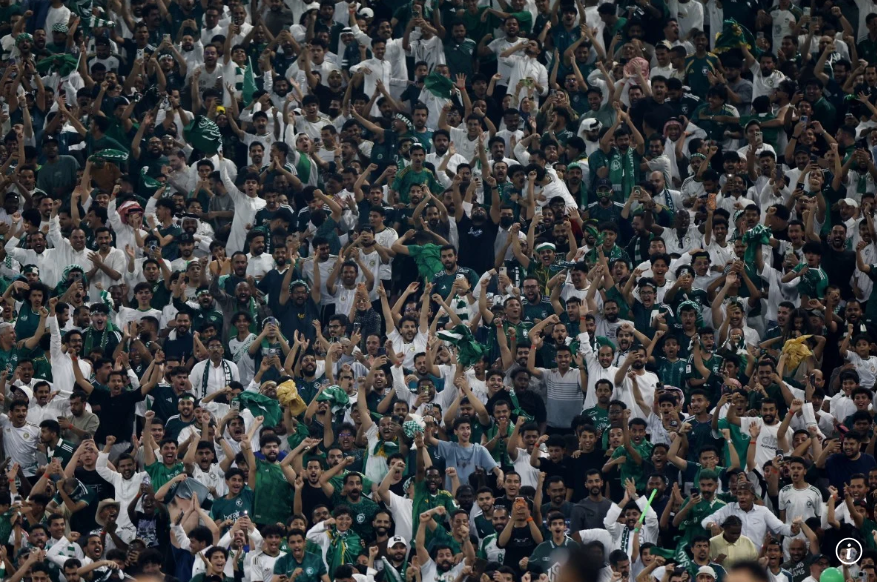
Escalating conflicts threaten to leave billions in Gulf sports infrastructure stranded, casting doubt on the region’s mega-event strategy
When 60,000 football fans gathered in Jeddah for the Arabian Gulf Cup on Tuesday, they inadvertently highlighted the vulnerability of major sports events hosted by Gulf monarchies to the wars raging across the region.
The previous day, Saudi Arabia resumed strikes on Yemen’s Iran-allied Houthi rebels after a four-year ceasefire collapsed. That truce had originally followed a Houthi attack on an oil facility near Jeddah’s Formula One track during a practice session.
While the two-week football tournament went ahead as planned, lingering risks were highlighted on Wednesday when a Houthi air strike on Riyadh’s international airport killed three people, including a Saudia Airlines captain.
Analysts say the threats from the Houthis and Iranian air strikes against Gulf Cooperation Council (GCC) states – Saudi Arabia, the United Arab Emirates, Qatar, Bahrain, Kuwait and Oman – do not bode well for the region’s ambitious sporting calendar.
If these conflicts drag on or end inconclusively, the resulting uncertainty could undermine coming major events, including the 2030 Asian Games in Qatar, as well as the 2034 Fifa World Cup and Asian Games in Saudi Arabia.
While regional instability was not unique to the Gulf, it would weigh heavily on host decisions, according to Guy Burton, a Brussels-based international relations researcher and co-host of The FootPol Podcast, a sports show focusing on the intersection of football and politics.
Security considerations are built into every major event bid, but the Middle East presents particular challenges. “What is distinctive in this context is the volatility,” Burton said, noting how difficult it was to predict whether threats would escalate or subside.
Past hosts have always had to manage security risks ranging from crime to state-sponsored threats – such as London hosting the 2012 Olympics following the events of September 11, 2001, and Britain’s involvement in the wars on terror.
Diversification under pressure
But the risks do not end with security concerns. Gulf monarchies have invested heavily in sports to diversify their economies away from dependency on oil and gas revenues.
“The pressure on that model now comes from material realities, in particular less certainty over government revenues as hydrocarbon exports come under strain,” Burton said.
If conflicts disrupt these events, the tens of billions of dollars invested in stadiums, hotels, airports and airlines could be left redundant, along with the economic policies underpinning them.
…
TO READ THE FULL ARTICLE, CLICK HERE.
