SOUTH CHINA MORNING POST
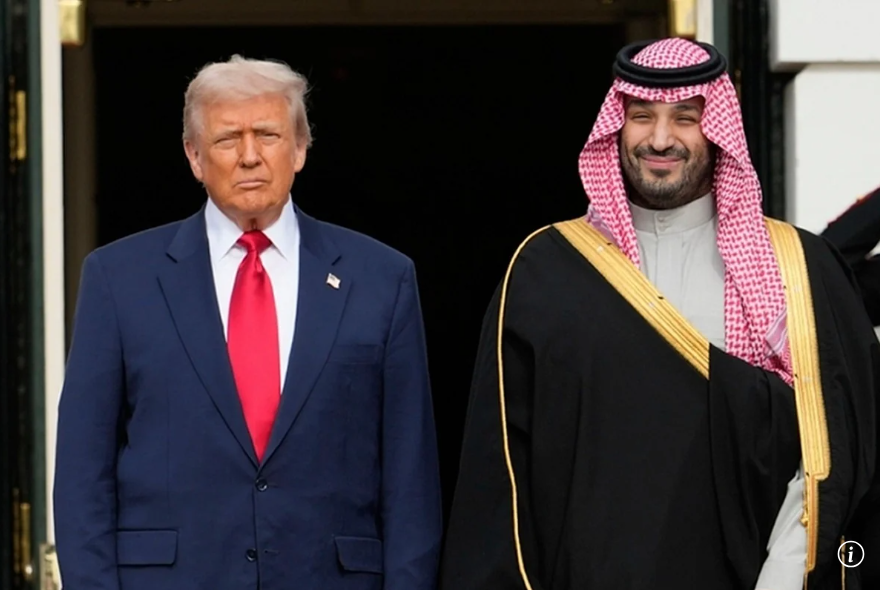
Iran’s Middle East rivals are set to accelerate their push for greater foreign and defence policy autonomy from the United States following the Democrats’ sweeping victory in the midterm elections.
Key regional partners of the US – Israel, the United Arab Emirates, Saudi Arabia, Turkey, Pakistan and Egypt – will also look to diversify their relationships beyond Washington, according to analysts.
…
Guy Burton, a visiting fellow with the Sectarianism, Proxies and De-sectarianisation Project at Lancaster University, said some progressives in the US wanted to end arms sales to Saudi Arabia over its involvement in Yemen’s civil war.
However, apart from Israel and Iran, the Democrats “said little” during the election campaign about other US allies such as Turkey and Pakistan.
Regardless of the changes in Congress, the Middle East was part of an increasingly multipolar international system with Saudi Arabia, Iran, Israel, and the UAE leading the way, Burton said.
Among the examples are the Mecca joint defence pact formed in August between Saudi Arabia, Turkey and Pakistan, and Riyadh’s closer relationship with Egypt, with Cairo committing to send its forces to defend the kingdom against missile and drone attacks by Yemen’s Iran-allied Houthi rebels, according to Burton, author of the book China and Middle East Conflicts.
These developments did not mean the Middle East states had “written off” the US, which remained the key power in the region, Burton said. But these states would exercise autonomy and “no longer bandwagon with Washington” by default, he added.
“In this environment, states are putting their own interests first. They are pursuing opportunities with external powers such as China, and with other regional powers, to secure their own security,” said Burton.
TO READ THE WHOLE ARTICLE, CLICK HERE.
