Iran war exposes fragility of Gulf-Asia supply chains
SOUTH CHINA MORNING POST
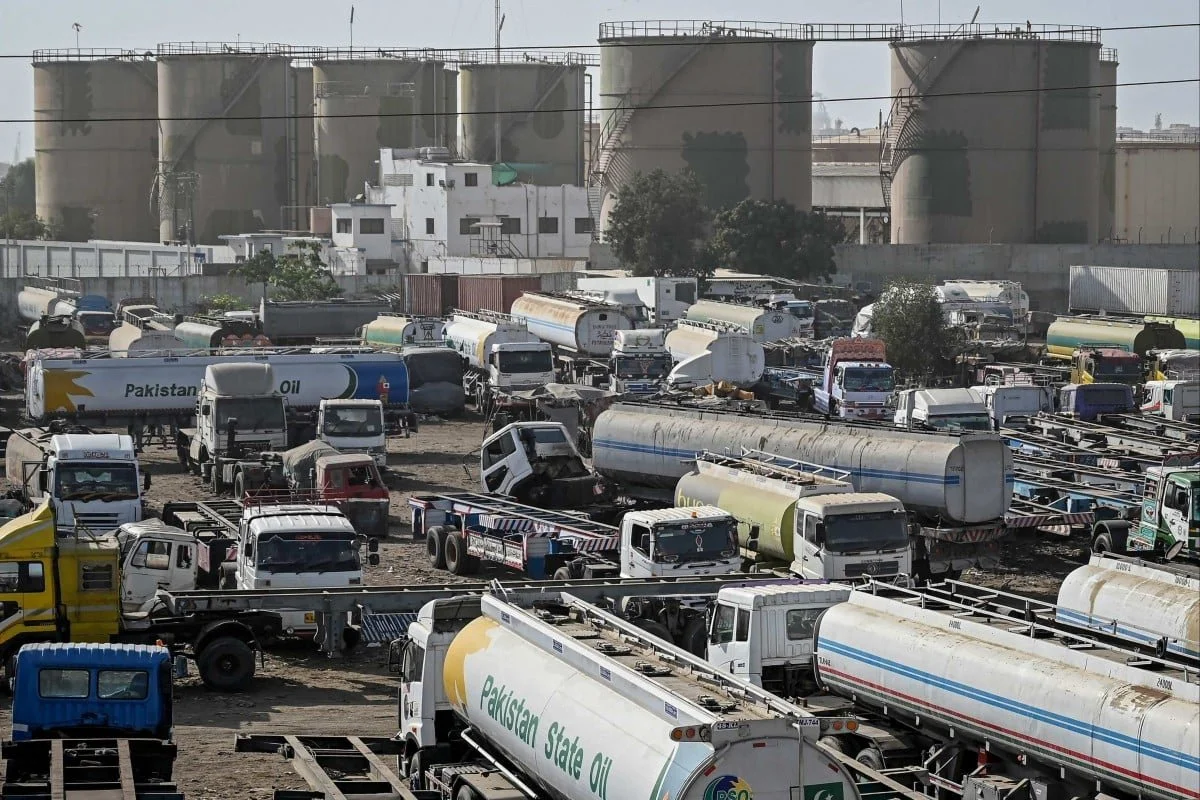
Since the Iran war began late last month, it has threatened shipping across the Middle East’s two most important maritime chokepoints – the Strait of Hormuz and the Bab el-Mandeb – through which much of Asia’s energy imports and manufactured exports flow.
For Gulf states and their major trading partners in Asia, the conflict is forcing a hard question: what, if anything, can protect supply chains if US security guarantees can no longer be taken for granted?
…
According to Guy Burton, Tehran’s belligerence has exposed the “structural tension” in the Gulf-Asia economic relationship.
“The very interdependence that brings economic benefits also increases exposure to disruption,” said Burton, a Brussels-based academic who previously taught international relations at universities in the United Arab Emirates and Malaysia.
According to Burton, global supply chain integration enhances efficiency and growth during stable periods, but “simultaneously amplifies vulnerability during crises”.
…
Looking ahead, analysts saw little scope for the Gulf-Asia supply chain finding a viable alternative in the various sea-land connectivity corridors being developed to bypass the Hormuz and Bab el-Mandeb straits.
They include the India-Middle East-Europe Corridor (IMEC) through the Arabian Peninsula and the Levant; the Iraq-Turkey Development Road; and the International North-South Transport Corridor (INSTC) via Iran to Russia.
…
Burton said all three major connectivity projects faced structural obstacles predating the current conflict.
Moreover, Chinese infrastructure financing in the Middle East under the Belt and Road Initiative had “slowed and become more selective” in recent years, with some investment shifting towards other regions, particularly parts of Africa.
The Iran war could also force major Asian oil importers to “increasingly look for supply diversification” rather than new transport corridors, Burton added.
That could mean greater reliance on existing producers outside the Middle East – such as Russia, Canada, Nigeria or Pacific nations – as well as renewed interest in alternative energy sources over the longer term.
…
But any potential benefits could easily be undermined by the lackadaisical attitudes that made the Gulf-Asia supply chain vulnerable to disruption in the first place.
According to Burton, the risk is that once the Iran war subsides and tensions ease, governments and commercial actors “revert to existing supply routes because they already exist, are relatively efficient, and – outside wartime – are usually reliable”.
The current disruption had generated discussion about diversification and redundancy in connectivity infrastructure, but whether that translated into sustained political and financial commitment was “another matter”.
Historically, the momentum for large-scale infrastructural change “often fades once the immediate crisis passes”, Burton said.
THE REST OF THE ARTICLE [PAYWALL] IS AVAILABLE HERE.
